Bitvavo

Overview

Since 2022, I have designed across Bitvavo’s user-facing domains, from the customer journey to trading.

Period
2022 – present
Role
Product designer
Senior product designer
Domain design lead
UX team
Started with 2 designers
Grew to a 12-person team

Bitvavo was founded in 2018 to bridge the gap between traditional currencies and digital assets, and its Amsterdam-based team continuously improves and expands the platform. As the UX team grew, I contributed to the UX strategy while remaining hands-on in product delivery.

Highlights

Responsibilities

  • Mentoring designers within the team
  • Defining and aligning on the domain UX strategy
  • Visual, interaction and product design
  • Planning and conducting discovery and usability research for domain and team journeys
  • Supporting product teams with design thinking and contributing to the organisation’s UX maturity

Domain

Customer

About the customer domain

The customer domain covers the end-to-end customer journey: acquisition, onboarding, identity verification (KYC), activation, and fiat deposits and withdrawals. It ensures that every customer interaction is secure, compliant and seamless, forming the foundation for trust, regulatory adherence and business growth.

Domain goals

Verified users

From account creation to completed identity verification (KYC)

Activated users

Verified users who start trading on Bitvavo

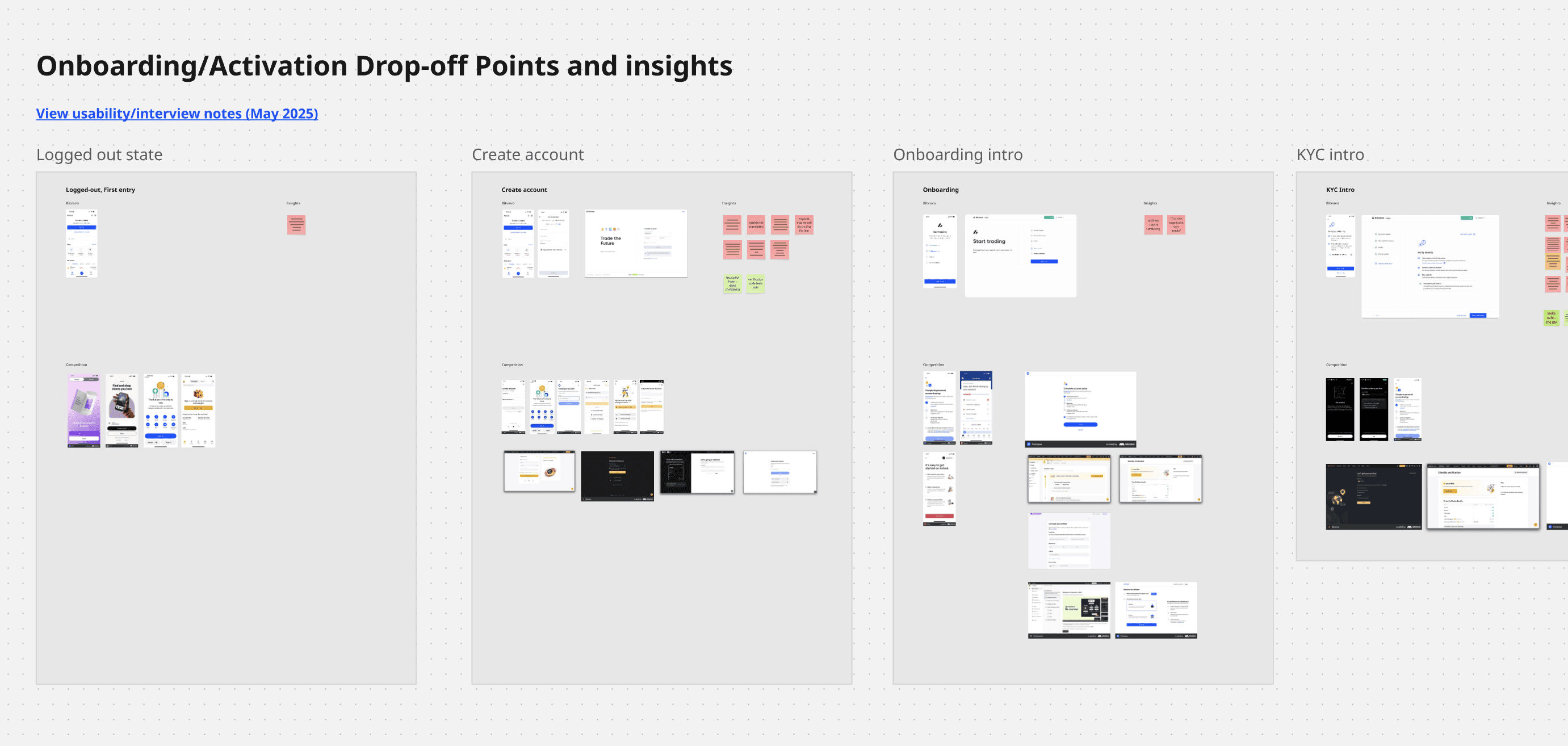
Identifying and resolving conversion blockers

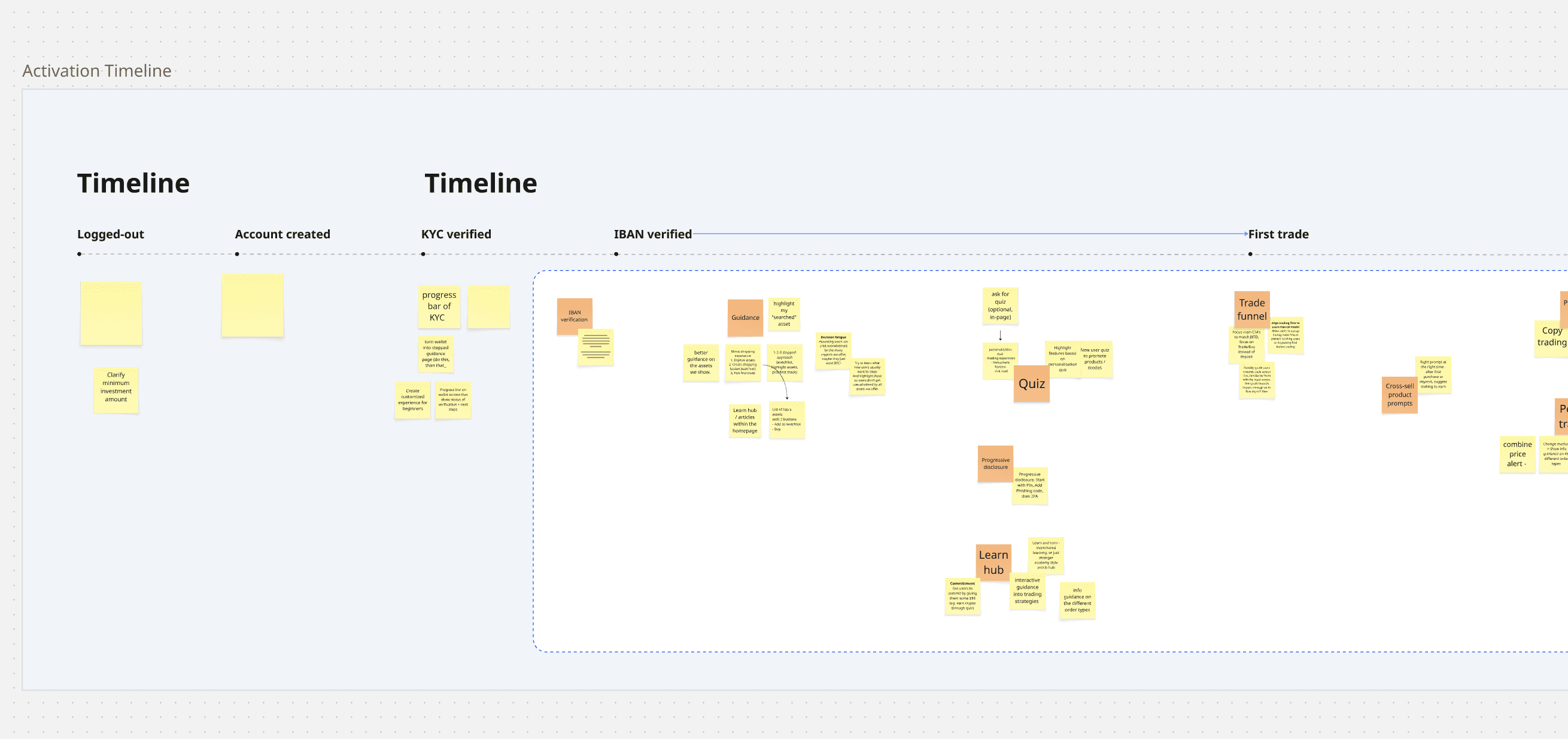
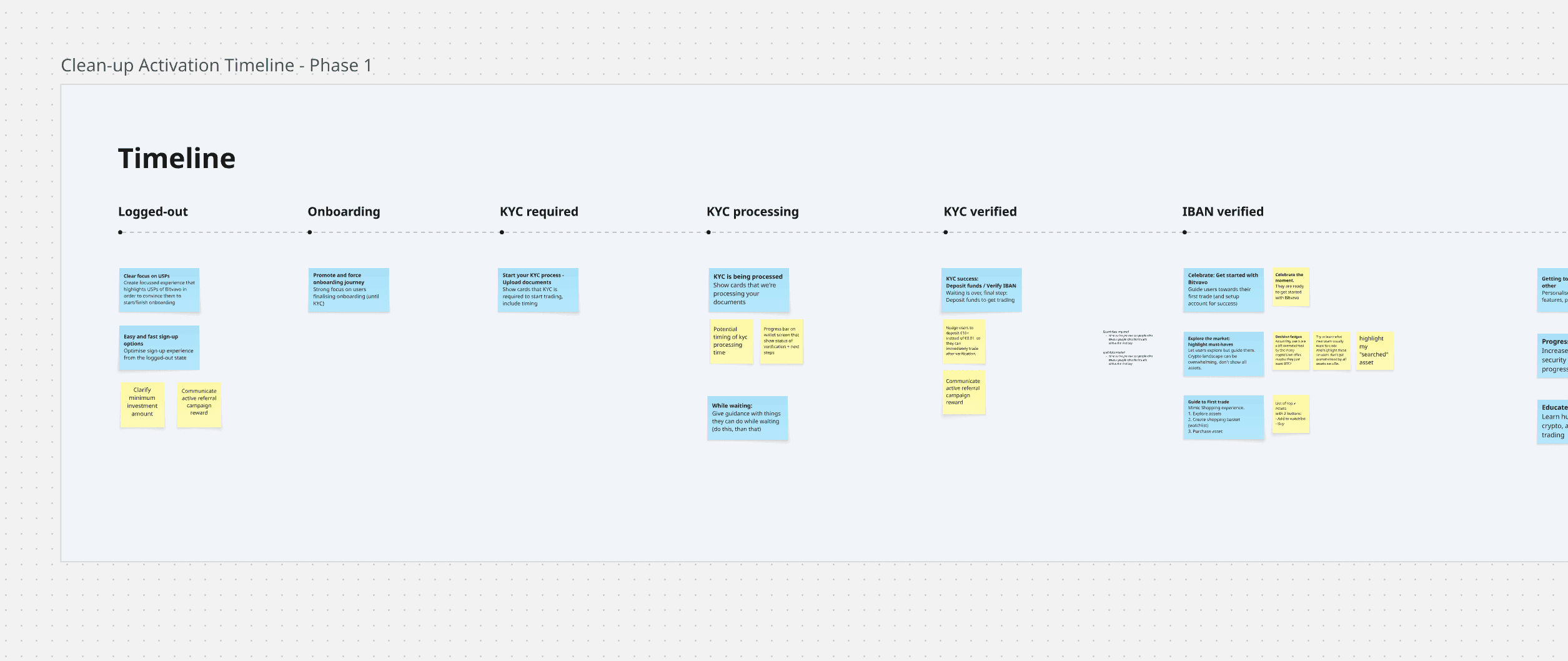
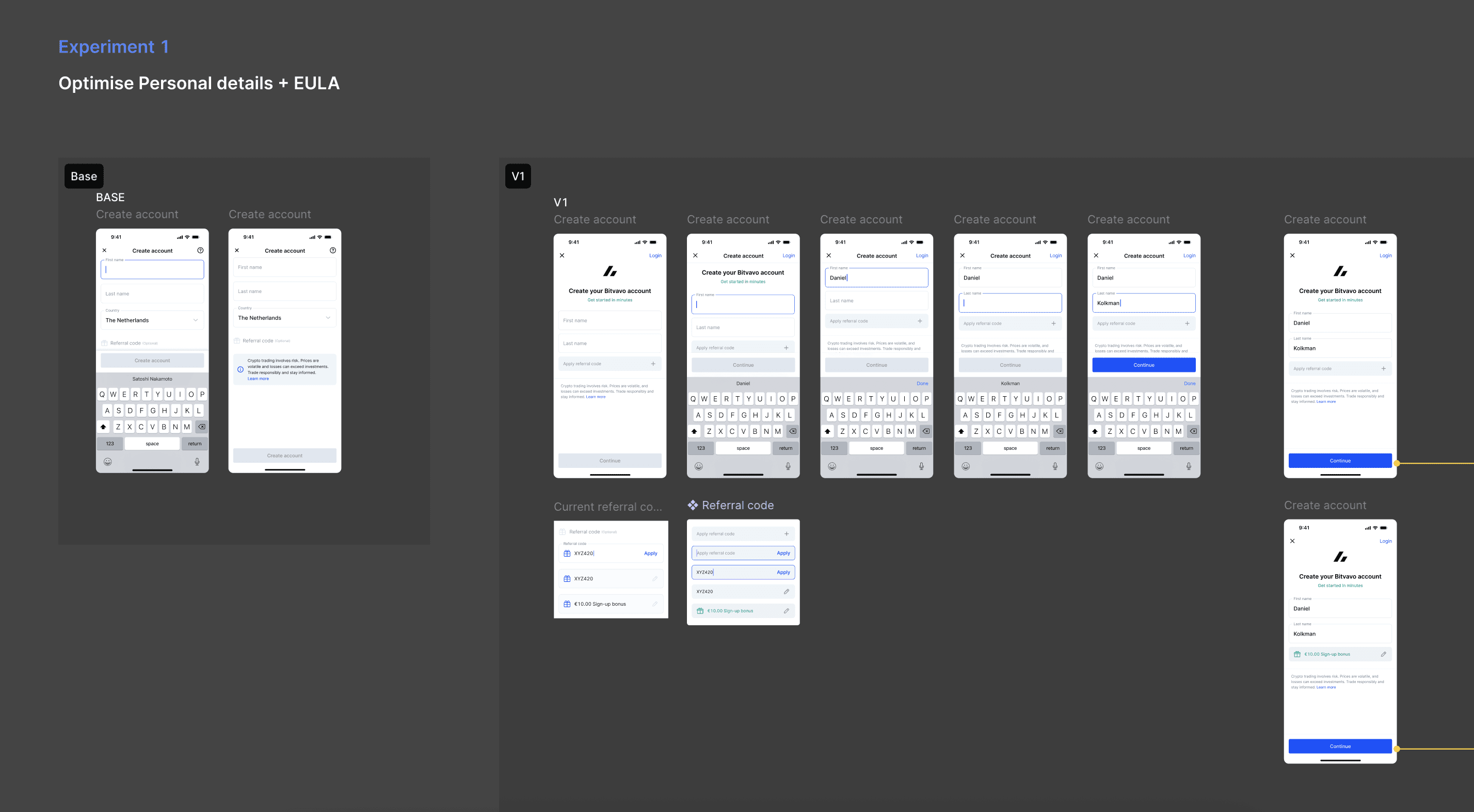
Using usability research and data analytics, we identified the most significant blockers to conversion and usability. Based on these insights, we set up an optimisation roadmap of A/B tests to validate our concepts and solutions.

  • Reduced drop-off by replacing copy-heavy screens with clearer, more engaging introduction screens.
  • Improved account activation with clear instructions and checklists showing users their remaining steps.
  • Optimised legacy screens through ongoing A/B experiments on copy and visual design.

+3–5% Onboarding conversion

Achieved through focused A/B testing, usability studies and experiments on key conversion points, while integrating additional legal requirements.

+7% Click-through rate on identity verification

Achieved by balancing user insights with conversion metrics: reducing content while setting clear expectations on steps and timelines.

Referral campaigns and journeys

Goal: align and centralise all referral journeys, enabling referrals to scale as an acquisition channel.

  • Designed a single, consistent UX journey for all referral campaign types, removing inconsistencies between campaigns.
  • Optimised the referral activation and detail pages to support different campaigns and conditions.
  • Prepared the foundation for future campaigns to scale referrals and increase activated users.

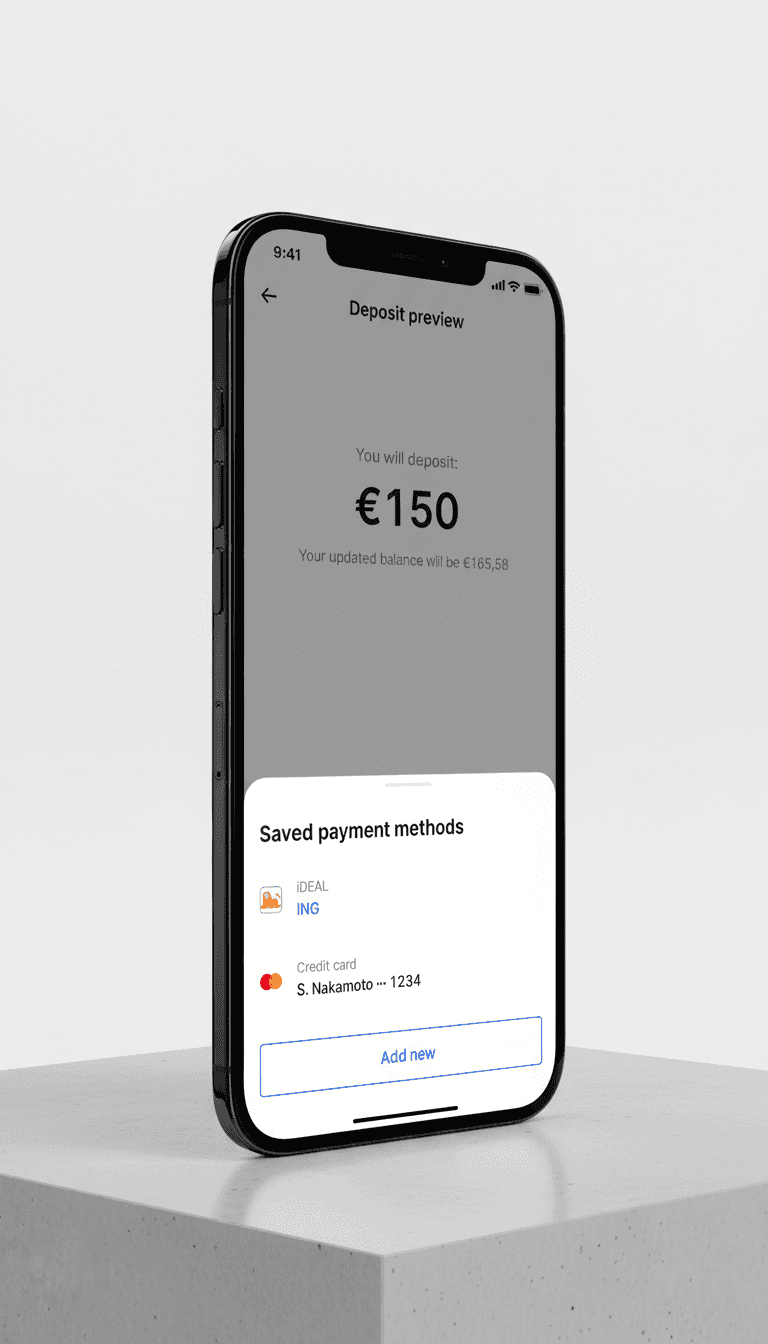
Deposit optimisations

Goal: a frictionless deposit journey with a streamlined process, ease of use and clear communication about waiting times where relevant.

  • Streamlined the deposit journey with a focus on conversion and ease of use.
  • Introduced a single entry point for depositing both fiat (euro) and crypto. Following an established industry pattern, this improved discoverability and conversion for both journeys.
  • Ran multiple A/B experiments, including pre-filling known inputs, which significantly improved conversion and the experience for returning users.

Domain

Trading

About the retail trading domain

The trading domain focuses on making the trading journey fast, secure and engaging. With trading volume and assets under custody as its key metrics, it positions the trading screen as a central hub that drives user activity and overall trading conversion.

Domain goals

Trading volume

Increase the overall trading volume per user

Assets under custody

Increase the value of assets held by users

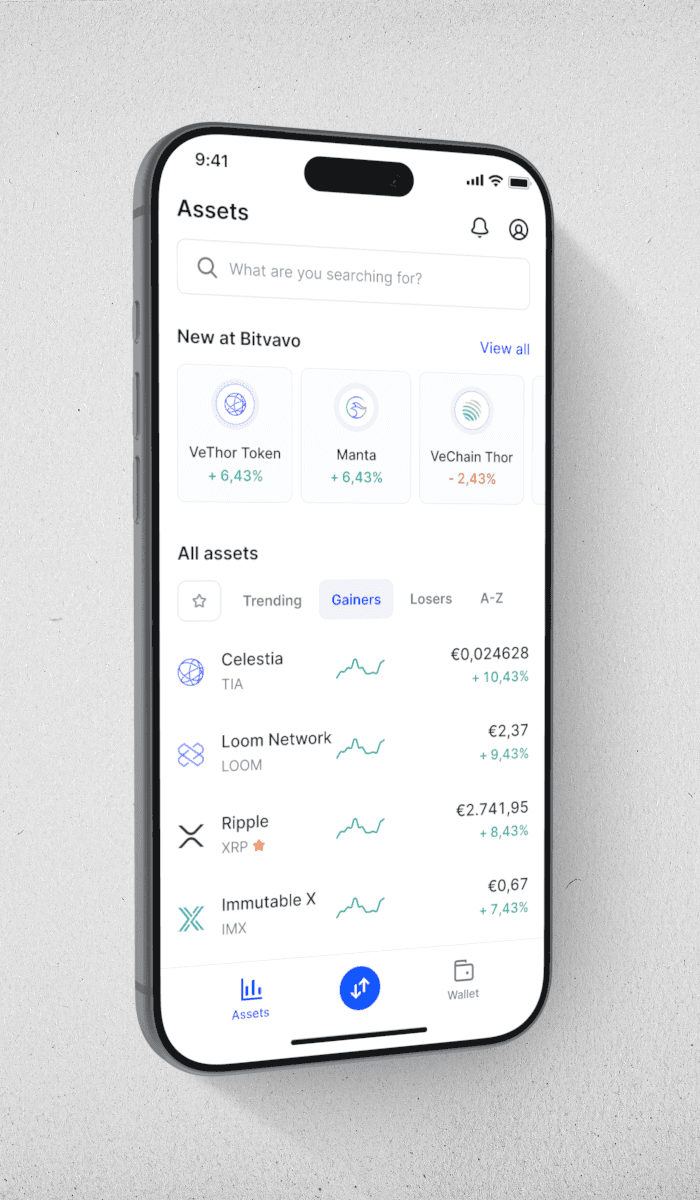
Asset discovery: optimising the asset list

We began with incremental experiments to make assets easier to find. Taking a broader view, we then focused on the areas with the greatest potential impact, measuring results through A/B testing and iterating along the way.

We refreshed the visual style while introducing new functionality. Across multiple user journeys, A/B and usability testing showed increased visits to asset detail pages and improved asset discovery overall.

A key addition was the “New at Bitvavo” carousel, designed to showcase newly listed assets. It led to a measurable increase in views for new assets, confirming strong user engagement with new listings.

Asset details and information

Goal: modernise one of the platform’s main screens, enabling users to track their balances and stay informed about the latest developments.

We moved from a static design to a screen that reflects the character of each asset. Using existing data, we made the price and history chart the primary focus on first landing.

Subtle micro-animations bring the interface to life, while the asset-coloured history chart reinforces each asset’s identity. The result is a more engaging screen that has become a central touchpoint across sessions, balancing conversion with visual storytelling.

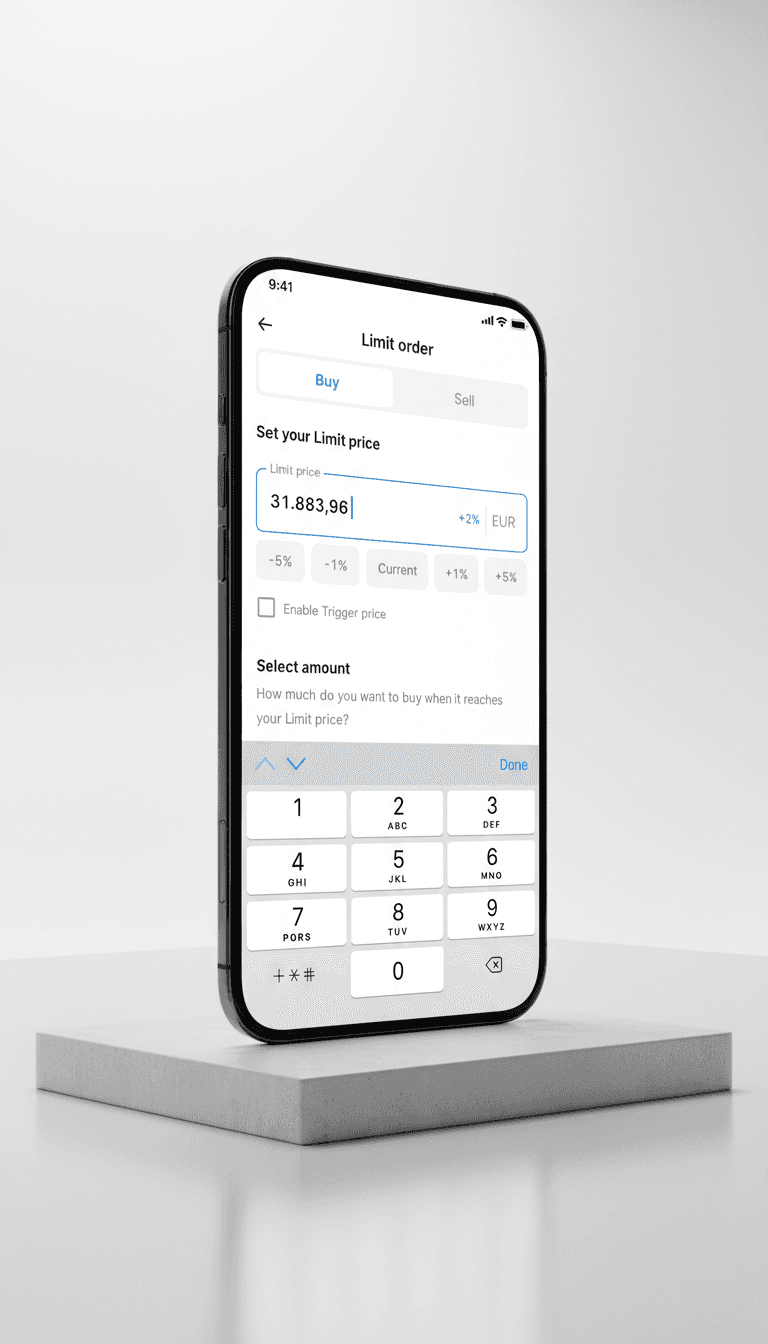
Additional order types

One of the most requested features was the availability of additional order types in the app, not only on the web. Based on extensive research and A/B experimentation, we delivered multiple new order types in a way that is both intuitive and powerful.

Challenge: striking the right balance between experienced traders and newer users who are not yet familiar with tools such as limit orders.

We explored several concepts: a text-based option, an if-this-then-that (IFTTT) style solution and, finally, a guided form-based approach that remains familiar to experienced traders and accessible to beginners.

For the limit order screen, we evaluated different levels of complexity and chose a structured approach that educates less experienced users while retaining the familiar format for advanced traders.

Next case

Yolt (by ING)

View case study